Flood Damage Restoration in New Port Richey: What to Do Before We Arrive
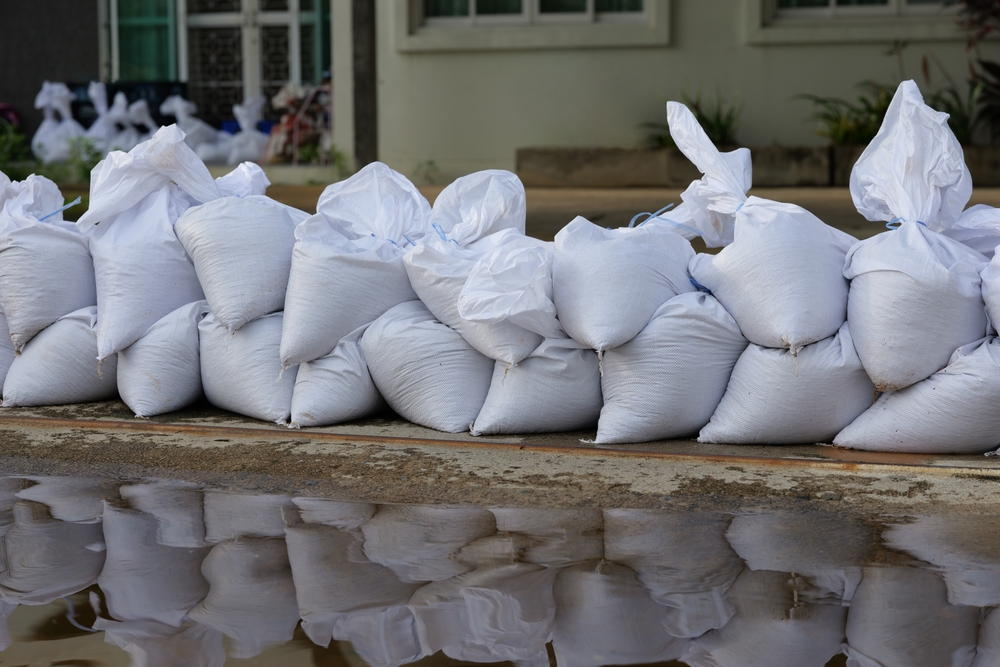
Flooding is one of the most disruptive events a homeowner can experience. In New Port Richey, flood damage is often caused by hurricanes, storm surge, heavy rainfall, or overwhelmed drainage systems. When floodwater enters a home, the actions taken in the first few hours can significantly affect the extent of damage and the success of restoration.
This guide outlines what homeowners should and should not do after flooding, before professional restoration teams arrive.
Step 1: Prioritize Safety First
Before entering a flooded home, ensure it is safe to do so.
- Avoid standing water if electricity may still be active
- Do not touch electrical panels or outlets
- Watch for structural instability, especially in ceilings and flooring
- Wear protective footwear and gloves if entering affected areas
If floodwater reached electrical systems or appliances, wait for professional guidance before restoring power.
Step 2: Document the Damage
If conditions are safe, document everything before cleanup begins.
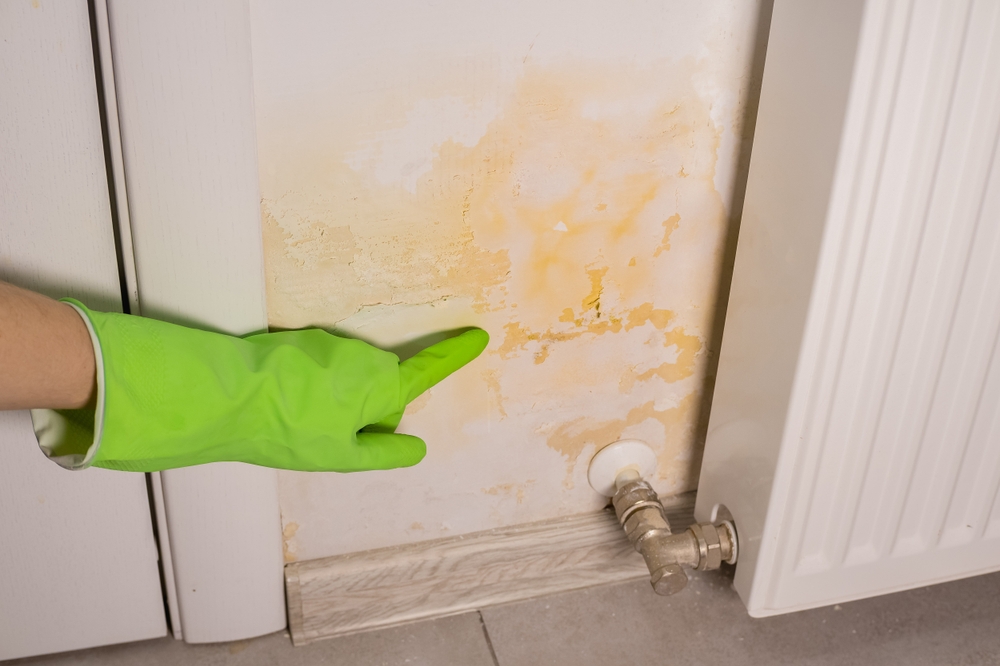
- Take photos and videos of standing water and affected areas
- Capture damage to flooring, walls, furniture, and personal belongings
- Note the water source if known
This documentation is critical for insurance claims and helps restoration professionals assess the full scope of damage.
Step 3: Stop the Source If Possible
If flooding is related to plumbing or appliance failure and it is safe to do so:
- Shut off the main water supply
- Stop leaking appliances or fixtures
For storm-related flooding or groundwater intrusion, focus on safety and documentation rather than source control.
Step 4: Avoid Premature Cleanup and Removal
One of the most common mistakes homeowners make is removing materials too soon.
Do not:
- Tear out drywall or flooring without assessment
- Discard damaged materials before documentation
- Attempt DIY drying with household fans
Premature removal can interfere with insurance coverage and may spread contamination in the case of floodwater.
Step 5: Understand the Risk of Contaminated Floodwater
Floodwater is often classified as contaminated due to bacteria, sewage, and environmental pollutants.
According to the Environmental Protection Agency, floodwater can pose serious health risks and should be handled using appropriate protective measures.
Flood damage restoration typically requires:
- Controlled removal of contaminated materials
- Proper disposal procedures
- Specialized cleaning and disinfection
DIY cleanup without proper protection can expose occupants to health hazards.
Step 6: Improve Ventilation Only If Safe
If weather and safety conditions allow:
- Open windows and doors to reduce humidity
- Do not run HVAC systems that may be contaminated
- Avoid circulating air through flooded ductwork
Improper air movement can spread contaminants and mold spores.
Step 7: Remove Valuables From Wet Areas
If safe to do so:
- Move electronics, documents, and valuables to dry areas
- Elevate furniture legs with blocks or foil
- Separate wet items to prevent cross-contamination
Avoid stacking wet items together, as this accelerates damage.
What Happens When Professional Restoration Begins
Once a flood damage restoration team arrives, they will typically:
- Assess water category and contamination level
- Perform controlled water extraction
- Remove unsalvageable materials
- Implement drying, dehumidification, and sanitation protocols
- Monitor moisture levels until safe standards are met
Flood restoration is not the same as standard water damage cleanup. It requires specialized handling and documentation.
How Discount Water and Mold Removal Helps New Port Richey Homeowners
Discount Water and Mold Removal provides professional flood damage restoration services throughout Pasco County, helping homeowners recover safely and efficiently after flood events.
Their process includes:
- Rapid response and assessment
- Proper handling of contaminated water
- Thorough drying and dehumidification
- Mold prevention and remediation when needed
Key Takeaway for Flooded Homes
After flooding, the most important actions are protecting safety, documenting damage, and avoiding rushed cleanup. Flood damage can escalate quickly if handled improperly, but early, informed decisions can significantly reduce long-term damage and health risks.
If your New Port Richey home has experienced flooding, professional restoration is critical.