Mold Inspections 101: Tips for a Healthy Home
Buying a home can be an exciting yet stressful time. It can seem like there’s so much to do, so many decisions to make, and more importantly, how will you know when you’ve found “the one”? When buying a home, consider having a mold inspection done before sealing the deal. Mold can be a severe problem not only for your home but also for your health. Mold isn’t always a visible problem either. Also, don’t get confused! Mold inspections are not the same thing as your typical house inspection. Continue reading, and we’ll go over exactly what a mold inspection is, how much it costs, and when to know it’s time to get one.
What is mold?
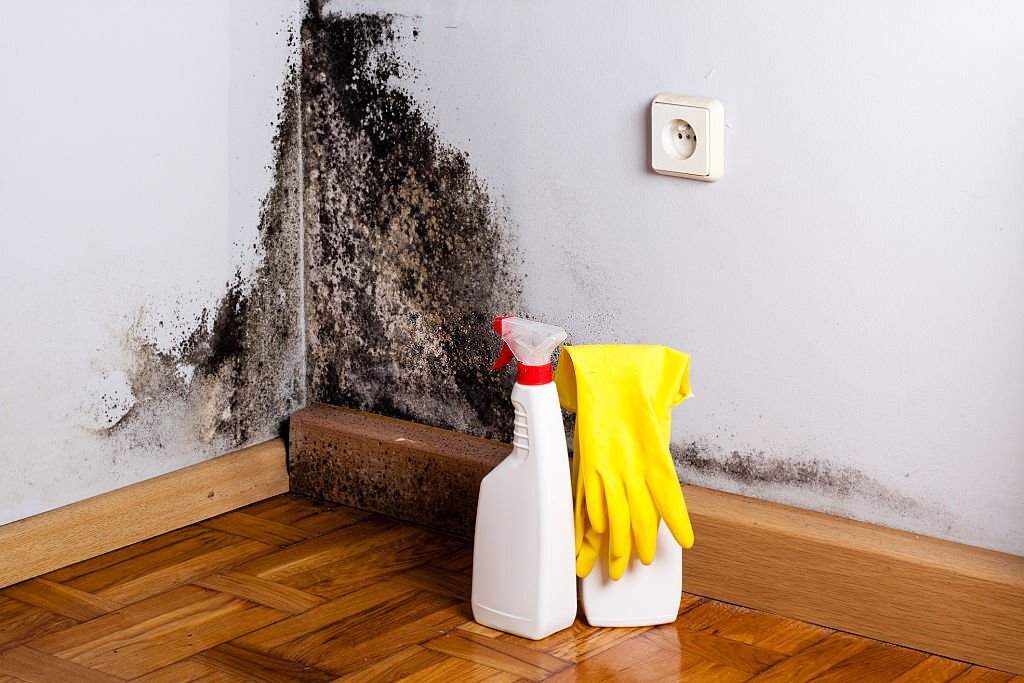
Mold is a type of fungus, and it’s anything but fun. Like most fungi, mold thrives in cold, damp environments. Mold grows and spreads by emitting these microscopic particles called spores. These particles are almost smaller than a single cell! Once emitted, these spores then float around the air until finally landing on a surface. Spores are found outside, as well as inside your home. It would be nearly impossible to eliminate all of the spores from your house. Don’t worry, these spores only produce mold if they land on a damp surface. Keeping the interior of your home as dry as possible is the most effective way to prevent mold growth. It’s essential to take mold seriously, as some types can cause severe health problems, including respiratory issues, seizures, skin rashes, and even extreme fatigue.
When is it time to have a mold inspection done?
The one good thing about mold is that it’s relatively easy to spot when it’s in visible areas of your home (rather than inside the walls). Whenever you see mold within your home, it means it’s growing and continuing to spread spores throughout the surrounding area. When mold begins to grow in places you can’t see, such as under the floorboards or inside the walls, it becomes more challenging. These are just a few situations in which you should be wary of potential mold growth:
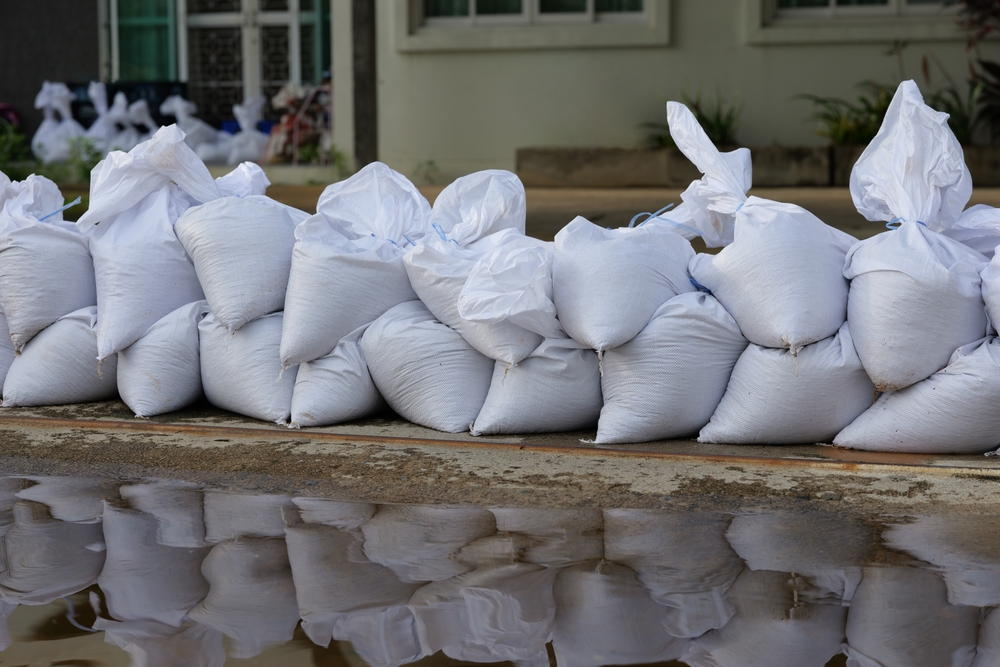
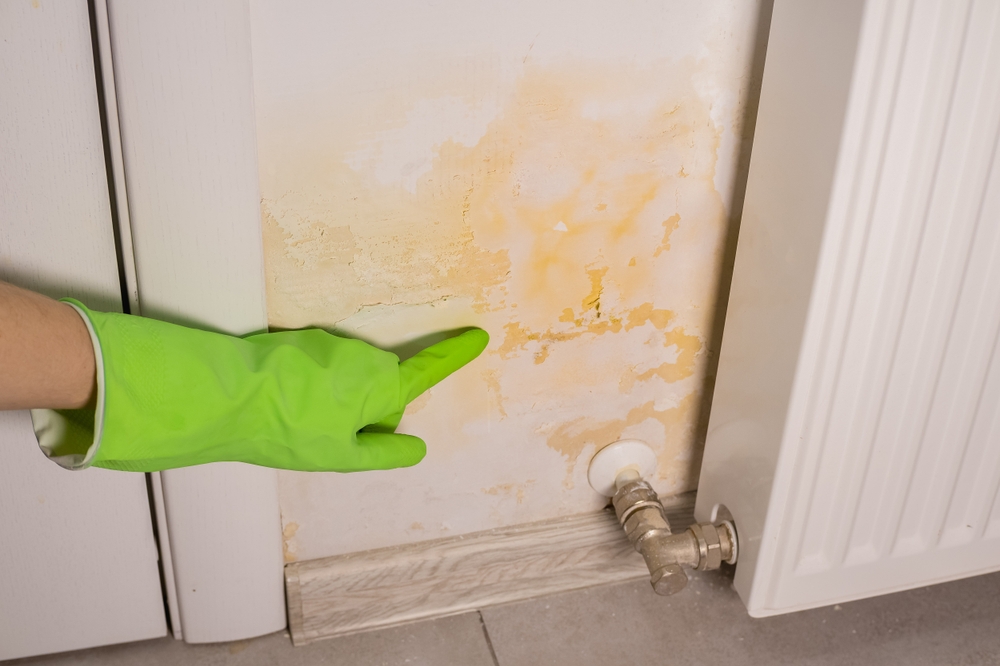
- Water damage: Here in Florida, flooding is a common occurrence. If your home has experienced any water damage, be cautious of potential mold growth. Roofs damaged from hurricanes, windows cracked and letting moisture in, are all ways mold can begin to grow within your home.
- Purchasing a new home: It is impossible to determine the type of previous water damage that may have occurred in a home. Having a mold inspection done is one of the only ways to know what the house has been through, honestly.
- Reoccupation: After a home has been unoccupied for an extended period, moisture can become trapped inside, allowing mold to grow. If you have a home you’re selling, be sure to frequently pass by to air it out, to ensure proper ventilation.
What exactly happens during a mold inspection?
Mold inspections, for the most part, involve a simple visual inspection of the home. Contrary to popular belief, no special tools are necessary to detect mold growth; a flashlight and a pair of trained eyes are all that is needed. Inspectors will, however, use a moisture meter to check the moisture levels of the home, especially if there was a previous mold issue. Always ensure that you hire a licensed inspector to obtain a professional opinion.
Mold is an issue no homeowner or buyer wants to have. It not only has the potential to cause severe damage to your property but also puts your health and that of your family at risk. It is crucial to have a mold inspection done by a professional to ensure the quality and safety of your home. The cost of mold inspections is generally dependent on the size of the house. If you fear your home, or a home you’re interested in purchasing, may have a mold issue, contact us at Discount Water and Mold Removal today!
What to Do if Mold is Found
If your inspection reveals mold growth, the next step is to act quickly to prevent it from spreading and causing further damage. Professional mold remediation involves identifying the source of moisture, safely removing contaminated materials, and treating affected areas to discourage future growth. In Florida’s humid climate, delaying cleanup can exacerbate the problem and increase the cost of repair. Partnering with an experienced mold remediation company ensures the mold is removed safely while protecting your property and health.