Mold in the Air? Indoor Air Quality & Health Risks You Shouldn’t Ignore
If there’s mold in the air, your indoor air quality is already compromised—putting your health at risk. Mold spores are microscopic, airborne particles that can circulate through your home or business without visible signs. Left unchecked, airborne mold can cause respiratory issues, allergic reactions, and chronic illnesses. Understanding how mold affects indoor air quality and recognizing the early symptoms are crucial steps in protecting your health and property. Whether you live in a humid climate like Florida or have experienced water damage, mold in the air is a silent threat you shouldn’t ignore.
Why Mold in the Air Is a Hidden Health Hazard
Mold reproduces by releasing spores into the air. These spores can be inhaled, settle on surfaces, and trigger a cascade of health and environmental issues. Unlike surface mold, which you can often see or smell, airborne mold is invisible to the naked eye. It frequently originates from hidden sources, such as behind walls, under flooring, in crawl spaces, or inside HVAC systems.
Indoor air quality deteriorates quickly when mold is present in the air. It’s not just about discomfort; prolonged exposure to mold spores can lead to serious and sometimes irreversible health effects, particularly in vulnerable individuals like children, the elderly, and those with weakened immune systems.
Common Sources of Airborne Mold
To control mold in the air, you first need to understand its source. Mold thrives in moist, warm environments and often results from:
- Leaking roofs or plumbing
- Flooding or water damage
- Poor ventilation in bathrooms, attics, or basements
- Condensation on windows or air ducts
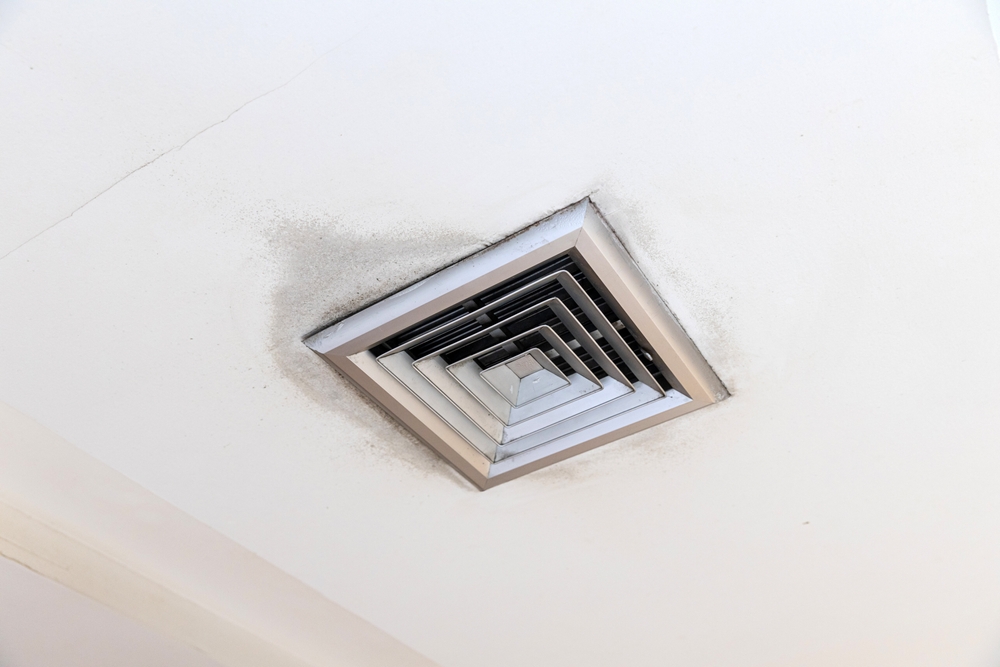
- HVAC systems that trap moisture
When mold begins to grow in these areas, its spores become airborne and infiltrate the entire indoor environment, primarily when HVAC systems circulate the contaminated air.
Signs You May Have Mold in the Air
Because airborne mold is often invisible, you need to look for indirect signs that indicate its presence. Here are some key warning signs:
-
Persistent Musty Odor
A strong, earthy or musty smell, especially when the AC or heat is on, is a significant indicator of mold in the air.
-
Unexplained Allergies or Illness
If you or your family are experiencing ongoing respiratory issues—especially those that improve when you leave the home—it may be caused by mold exposure.
-
Visible Mold or Water Damage
Even if you only see a small amount of mold, it’s often a sign of a much larger, hidden problem.
-
Condensation or High Humidity
Moisture buildup inside windows, pipes, or HVAC vents encourages mold growth and the release of spores into the air.
-
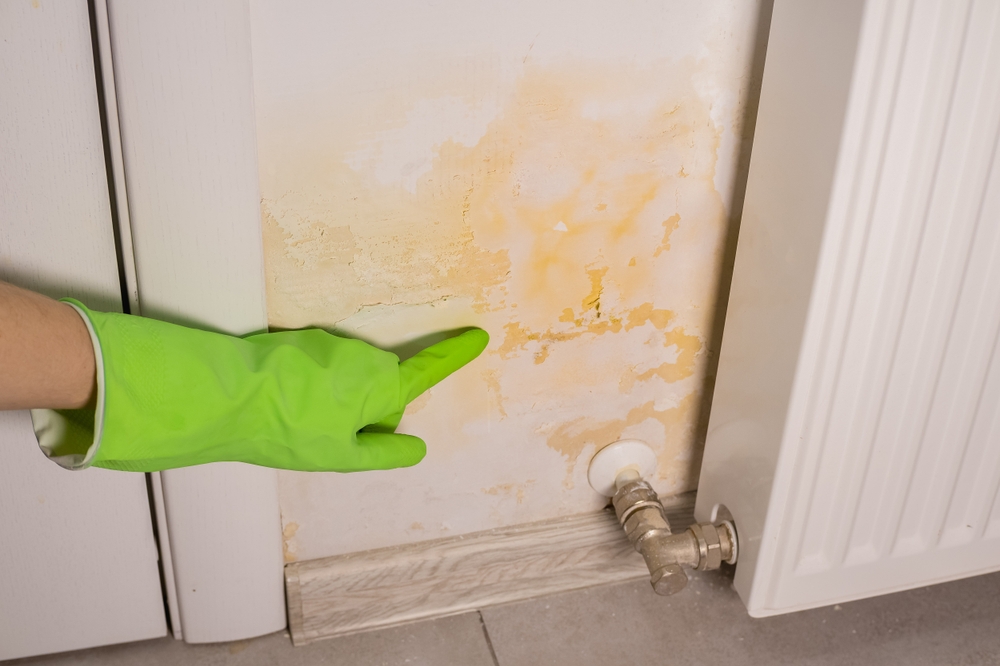
Stained Walls or Ceilings
Yellow or brown water stains can be a sign that mold is growing behind surfaces and releasing spores into your indoor air.
Health Risks of Mold in the Air
Mold exposure impacts people differently depending on their sensitivity, but it can have serious consequences for anyone living in a contaminated environment. According to the CDC and EPA, mold in the air poses health risks that range from mild irritation to serious chronic conditions.
Common Health Effects:
- Coughing and wheezing
- Nasal congestion and sinus pressure
- Sore throat or irritated eyes
- Skin rashes or hives
- Asthma attacks
- Headaches or fatigue
High-Risk Groups:
- People with asthma or COPD
- Infants and young children
- Seniors
- Individuals with autoimmune or chronic illnesses
- Those recovering from surgery or illness
In severe cases, exposure to toxic mold, such as Stachybotrys chartarum (also known as “black mold”), can lead to neurological problems, lung infections, and long-term cognitive effects. If symptoms persist and remain unexplained, poor indoor air quality caused by mold may be the underlying cause.
How to Test for Mold in the Air
If you suspect mold is in your indoor air, don’t rely on guesswork. Accurate mold testing and air quality assessments are crucial for identifying the type and concentration of airborne mold.
Professional Mold Testing Includes:
- Air sampling: Collects indoor air and compares it to outdoor mold levels.
- Surface sampling: Identifies mold on visible surfaces and hidden materials.
- Spore trap analysis: Measures the types and concentrations of mold spores present in your indoor environment.
- Thermal imaging: Detects moisture behind walls and ceilings that could harbor mold growth.
A certified mold remediation professional will use this data to design a customized cleanup and prevention plan.
How to Improve Indoor Air Quality After Mold Contamination
Once mold is detected in the air, professional remediation is crucial. DIY solutions, such as air fresheners, bleach sprays, or home air purifiers, are insufficient to eliminate airborne mold. A licensed mold remediation company will follow strict protocols to ensure safe, thorough removal.
The Professional Process Includes:
- Containment of affected areas to prevent the spread of spores.
- HEPA air filtration to capture airborne spores.
- Removal of contaminated materials such as drywall or insulation.
- Sanitization and antimicrobial treatments to kill remaining mold.
- Moisture source identification and correction to prevent regrowth.
- Post-remediation testing to confirm clean air and safe surfaces.
Preventing Mold in the Air Going Forward
After remediation, it’s vital to prevent future mold issues by controlling moisture and maintaining air quality. Here’s how:
Tips for Long-Term Prevention:
- Keep indoor humidity below 60% (ideally 30–50%)
- Use dehumidifiers in basements or damp rooms
- Ensure proper ventilation in kitchens and bathrooms
- Clean and maintain HVAC systems regularly
- Fix leaks and water intrusion immediately
- Avoid carpeting in moisture-prone areas like basements
- Use mold-resistant paint and insulation when remodeling
Routine inspections and maintenance play a crucial role in keeping airborne mold at bay and ensuring your indoor air remains safe.
When to Call a Mold Remediation Specialist
If you’ve noticed musty smells, recurring health issues, or visible signs of mold and moisture, it’s time to call a professional. Mold in the air is not just a nuisance—it’s a serious health and property hazard that requires expert assessment and remediation.
At Discount Water and Mold Removal, we provide:
- Certified mold inspections and air quality testing
- Advanced moisture detection and thermal imaging
- Complete mold remediation services
- Safe removal and cleanup of mold-infested materials
- Preventative strategies for long-term indoor air health
We serve Wesley Chapel, Tampa Bay, Spring Hill, and the surrounding areas with fast, reliable service backed by industry expertise.
Our team is available for emergency response, inspections, and full-scale remediation to restore clean, healthy indoor air in your home or business.
Don’t wait until mold in the air becomes a serious health threat. Indoor air quality plays a direct role in your comfort, safety, and long-term well-being. If you suspect mold is affecting your indoor environment, take action now—trust experienced professionals to help you breathe easier, live healthier, and restore your space with confidence.