Mold Remediation vs. Mold Removal: What Florida Homeowners Should Know
Mold Remediation vs. Mold Removal: What’s the Difference?
Florida homeowners often use the terms “mold remediation” and “mold removal” interchangeably, but they’re not the same. Mold removal refers to the process of physically removing mold from surfaces, while mold remediation takes it a step further, addressing the source of the problem, preventing future growth, and restoring indoor air quality. Understanding the distinction between these two services is critical for effective mold management in Florida’s humid climate, where mold can spread rapidly and compromise both property and health.
Why Mold Is a Serious Concern for Florida Homeowners
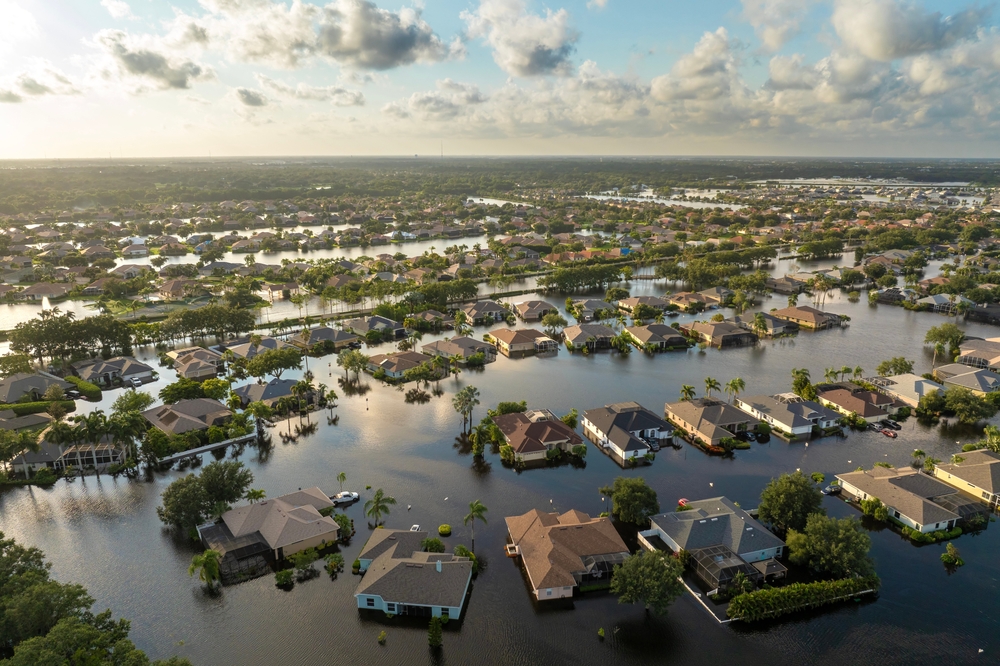
With its year-round humidity, frequent storms, and hurricane seasons, Florida provides the perfect environment for mold to thrive. Even a small water leak or poorly ventilated room can lead to mold colonies forming in as little as 24–48 hours. According to the Florida Department of Health, mold exposure may cause respiratory issues, allergic reactions, and other health problems, particularly in children, seniors, and individuals with pre-existing respiratory conditions.
That’s why knowing whether you need mold remediation vs. mold removal is more than semantics—it can directly affect the safety of your home and your long-term costs.
What Is Mold Removal?
Mold removal is the process of cleaning mold from surfaces using various tools and cleaning agents. While this might sound like the right solution, it’s often superficial. Mold removal does not address:
- The root cause of the mold (such as a leak or poor ventilation)
- Hidden mold inside walls, behind cabinets, or under flooring
- Contaminated air quality from mold spores
In DIY scenarios or basic cleanings, homeowners might see visible mold disappear, only for it to return days or weeks later. That’s because mold spores are microscopic and can remain airborne or embedded in porous materials even after surface cleaning.
Bottom line: Mold removal may temporarily eliminate visible mold, but it does not prevent mold from recurring.
What Is Mold Remediation?
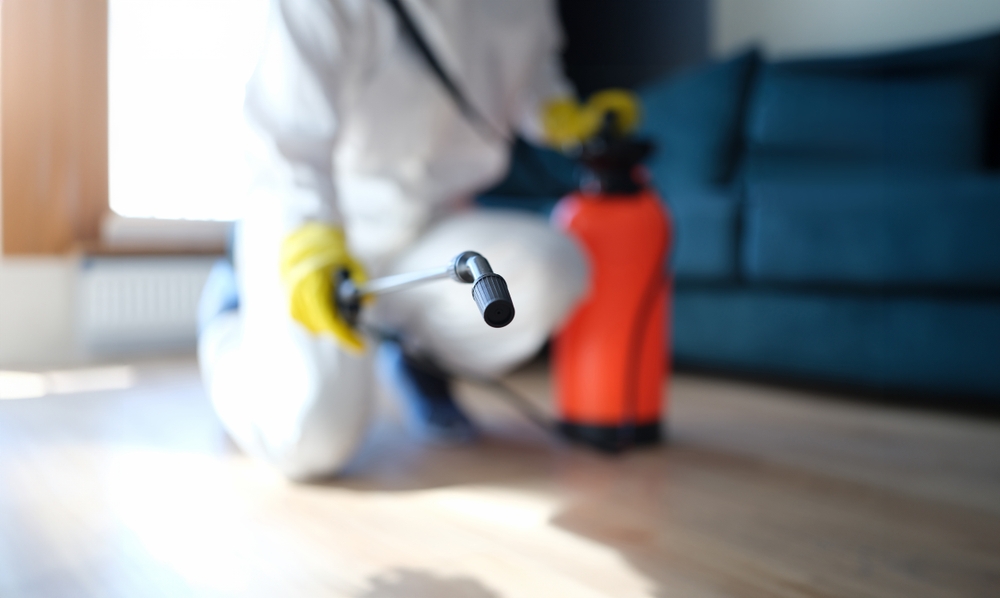
Mold remediation is a comprehensive process that involves mold removal, but its primary focus is on achieving long-term resolution. It involves identifying the source of moisture, containing and removing contaminated materials, purifying the air, and restoring affected areas to safe conditions.
Here’s what a professional mold remediation process typically includes:
- Inspection and Assessment: A certified mold remediation company inspects the property using moisture meters and thermal imaging to identify all affected areas, not just visible mold.
- Containment: Barriers and negative air pressure are used to prevent the spread of mold spores during the cleanup process.
- Air Filtration: High-efficiency particulate air (HEPA) filters and air scrubbers are deployed to remove airborne spores and improve indoor air quality.
- Mold Removal: Contaminated materials, such as drywall, carpet, or insulation, are safely removed or treated to ensure a clean environment. Antimicrobial cleaners are applied to the remaining surfaces.
- Drying and Dehumidification: Industrial fans and dehumidifiers are used to ensure that all moisture is removed, which is crucial in preventing future mold growth.
- Repair and Restoration: Damaged areas are rebuilt or restored to their pre-mold condition.
- Prevention Advice: Homeowners receive guidance on how to prevent future mold issues through proper ventilation, moisture control, and regular maintenance.
Key difference: Mold remediation addresses the root cause of mold and provides long-term protection, whereas mold removal only treats the symptoms.
Why Mold Remediation Is the Better Choice in Florida
Florida’s humid climate makes homes especially vulnerable to recurring mold issues. Choosing mold remediation over simple removal is the smarter long-term investment. Here’s why:
- Humidity control is key: Without controlling moisture, mold will return—even after a thorough cleaning.
- Health risks linger: Mold spores in the air can trigger asthma, allergies, and chronic respiratory problems if not fully remediated.
- Insurance implications: Many homeowners’ insurance policies require professional remediation for coverage to apply.
- Hidden mold is common: Florida homes with a history of flooding, leaks, or poor ventilation often harbor hidden mold that can only be detected and effectively eliminated by a professional remediation specialist.
The Role of Certifications and Experience
When selecting a company for either mold remediation or mold removal in Florida, always look for:
- IICRC Certification (Institute of Inspection, Cleaning and Restoration Certification)
- Licensed and insured technicians
- Experience with Florida’s climate-specific mold challenges
- Proper containment and HEPA filtration equipment
Discount Water and Mold Removal meets and exceeds these industry standards. With over a decade of experience, the team provides expert mold remediation services tailored to Florida’s high-moisture conditions.
Mold Remediation and Your Health: What You Need to Know
Long-term exposure to mold can cause:
- Chronic cough and sinus infections
- Worsening asthma symptoms
- Skin irritation or rashes
- Fatigue and headaches
- Increased sensitivity in children and seniors
Effective mold remediation removes not just the mold itself, but also spores and mycotoxins that remain in the air and HVAC system. For sensitive individuals, remediation can lead to immediate improvements in breathing, energy levels, and overall health.
Cost Considerations: Mold Removal vs. Mold Remediation
Mold removal may seem cheaper upfront, especially for small, visible outbreaks. However, because it doesn’t address the cause, homeowners often find themselves paying again for recurring mold issues.
Mold remediation, while more comprehensive, can save thousands in long-term repair costs and protect your home’s value. According to HomeAdvisor, mold remediation in Florida typically ranges from $500 to $6,000, depending on the size of the affected area. When caught early, the cost is significantly less than mold spreading throughout the home and causing structural damage.
When to Call for Professional Help
If you notice any of the following, it’s time to consult a mold remediation specialist:
- Persistent musty odor
- Recent water leak or flooding
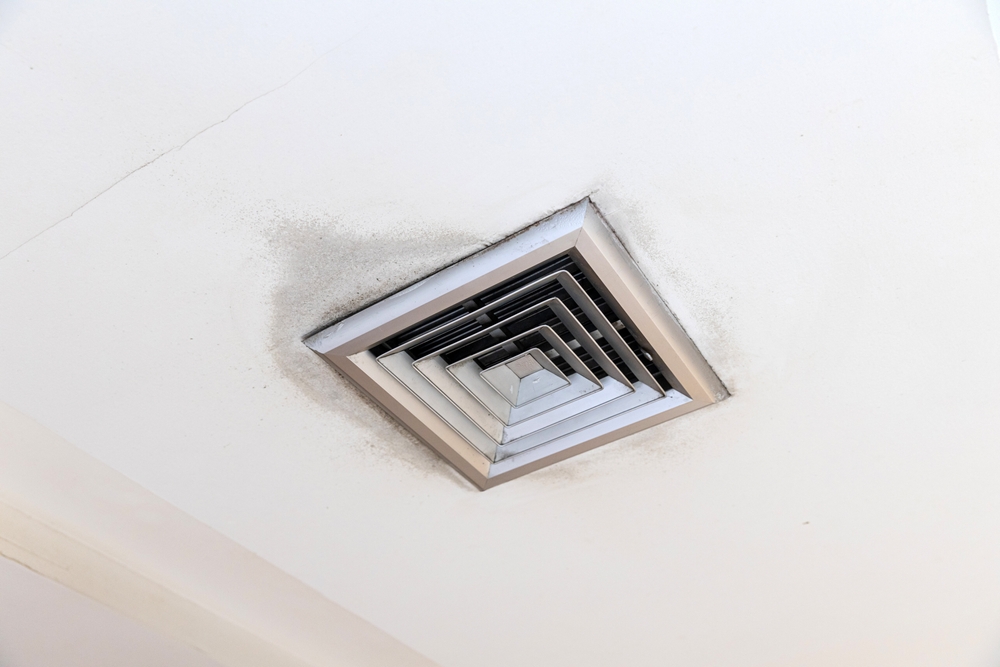
- Visible mold patches (especially black or green mold)
- Family members experiencing unexplained health issues
- Mold reappearing after previous cleaning
Never ignore mold. It is not only a structural threat to your home, but it can also pose a serious health hazard.
Choosing the Right Mold Remediation Partner in Florida
Discount Water and Mold Removal is a trusted local expert based in New Port Richey and serving nearby Florida communities. Their team understands Florida’s unique mold risks and provides fast, affordable, and effective mold remediation services.
They offer:
- Free in-home inspections
- 24/7 emergency response
- Advanced moisture detection
- Licensed and insured remediation services
- Air quality testing and post-remediation verification
Whether you’re dealing with an emergency mold situation or suspect hidden mold behind your walls, their expert technicians will walk you through every step of the process with transparency and care.
Mold Remediation vs. Mold Removal—Which Is Right for You?
If you’re a Florida homeowner facing a mold issue, the difference between mold remediation and mold removal can significantly impact your health, your home, and your wallet. Mold removal might be enough for minor, surface-level mold, but for comprehensive treatment and prevention, mold remediation is the best course of action.
Don’t wait for mold to take hold of your home.
Contact Discount Water and Mold Removal for a free inspection today and get peace of mind from a licensed Florida remediation team that prioritizes your safety and comfort.